Curated Collections
As I began to bring this idea to life, I found myself collecting far more works than I could possibly include. I saved over fifty pieces that spoke, in very different ways, to themes of happiness, longevity, and wellbeing. From there, I narrowed the selection to twelve works that felt most representative of my curatorial question. I worked to create a unique variety across media, geography, subject matter, and time period.. Together, they offer distinct but overlapping perspectives on how different cultures have imagined a long and meaningful life.
Eastern Art
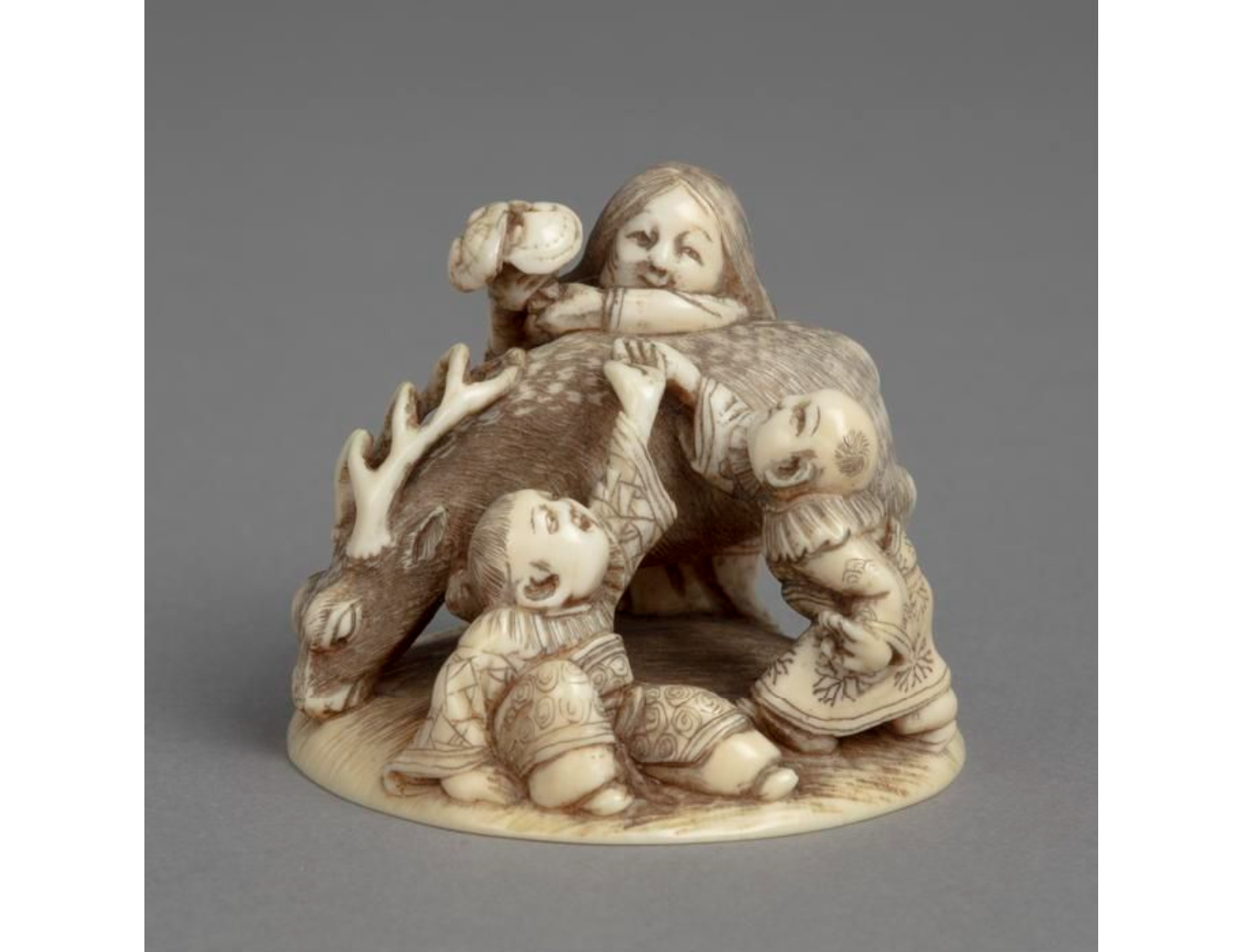
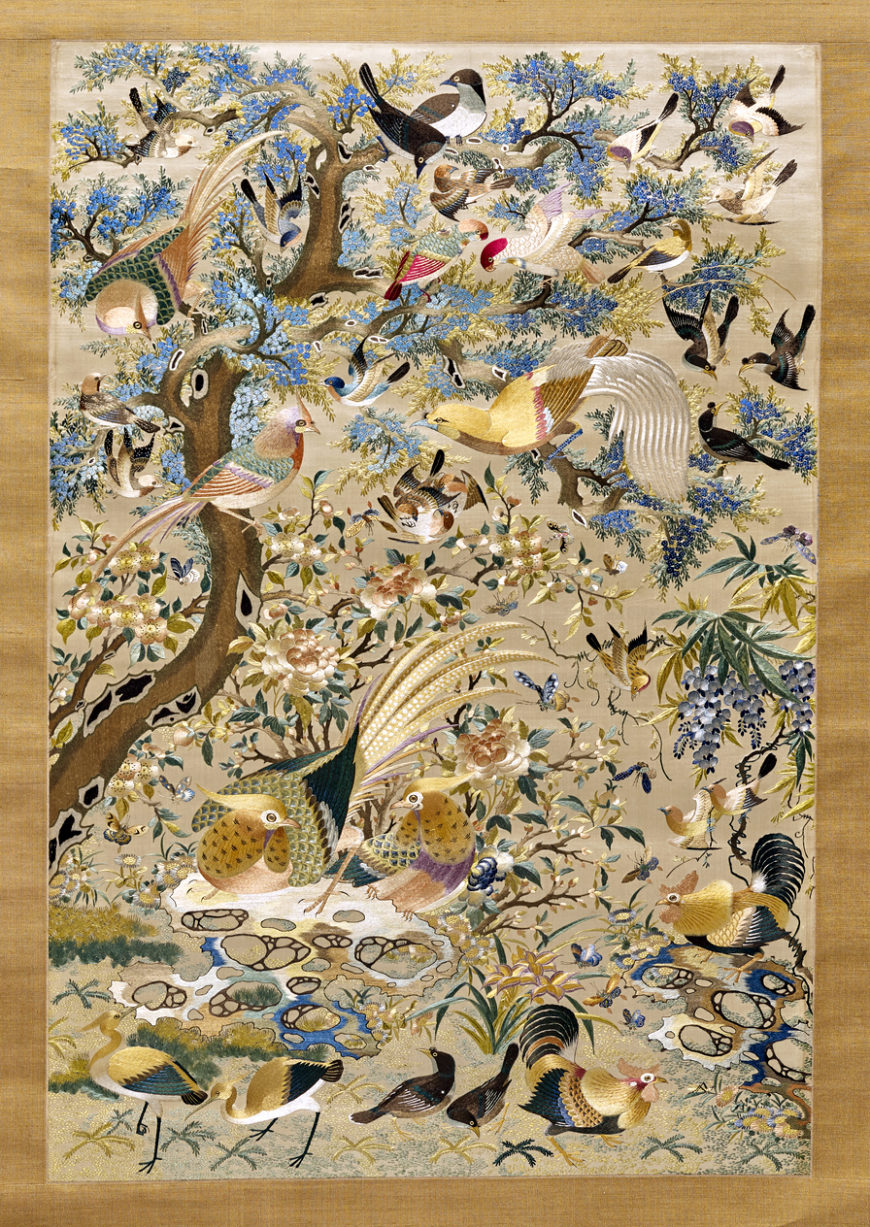
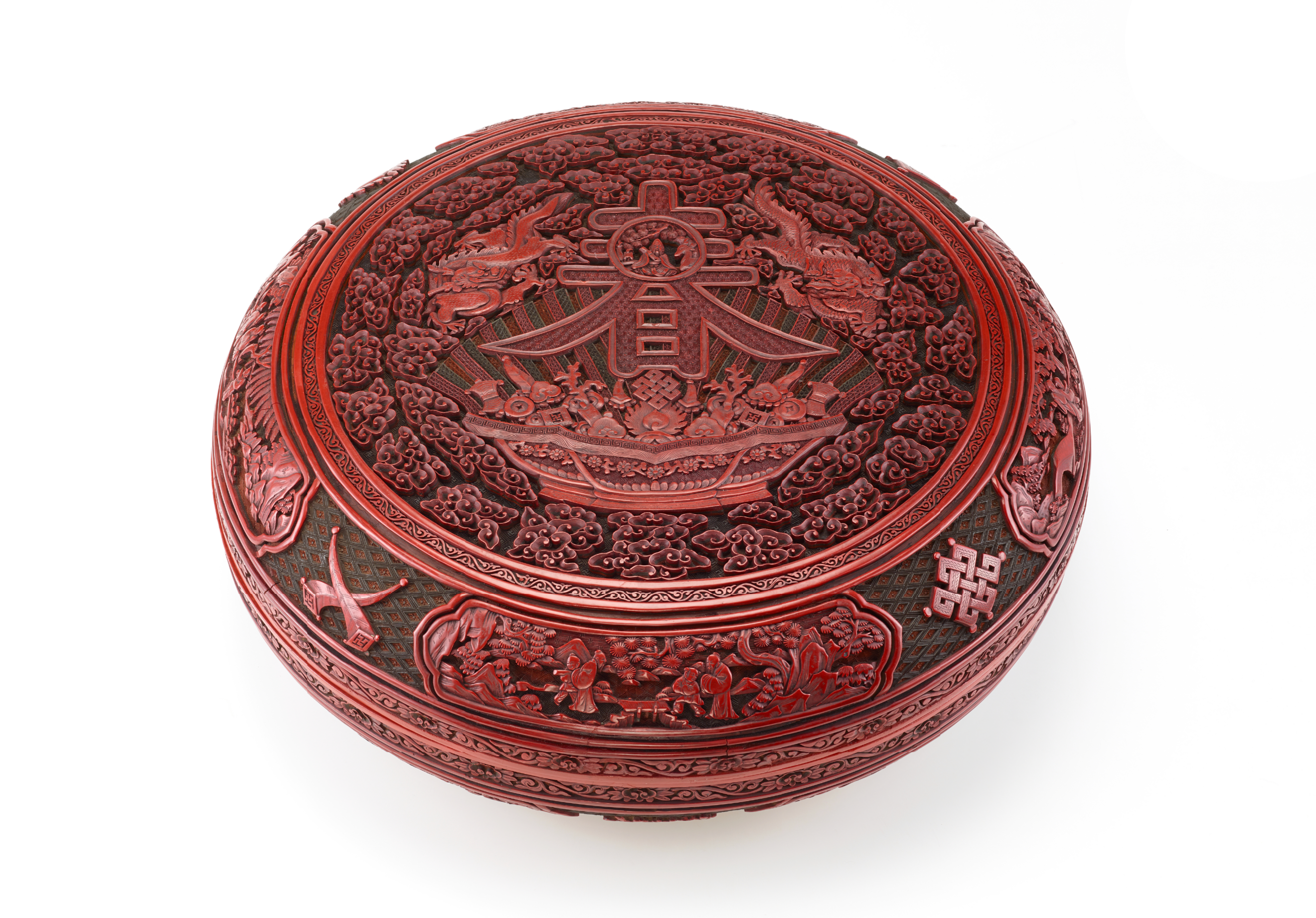
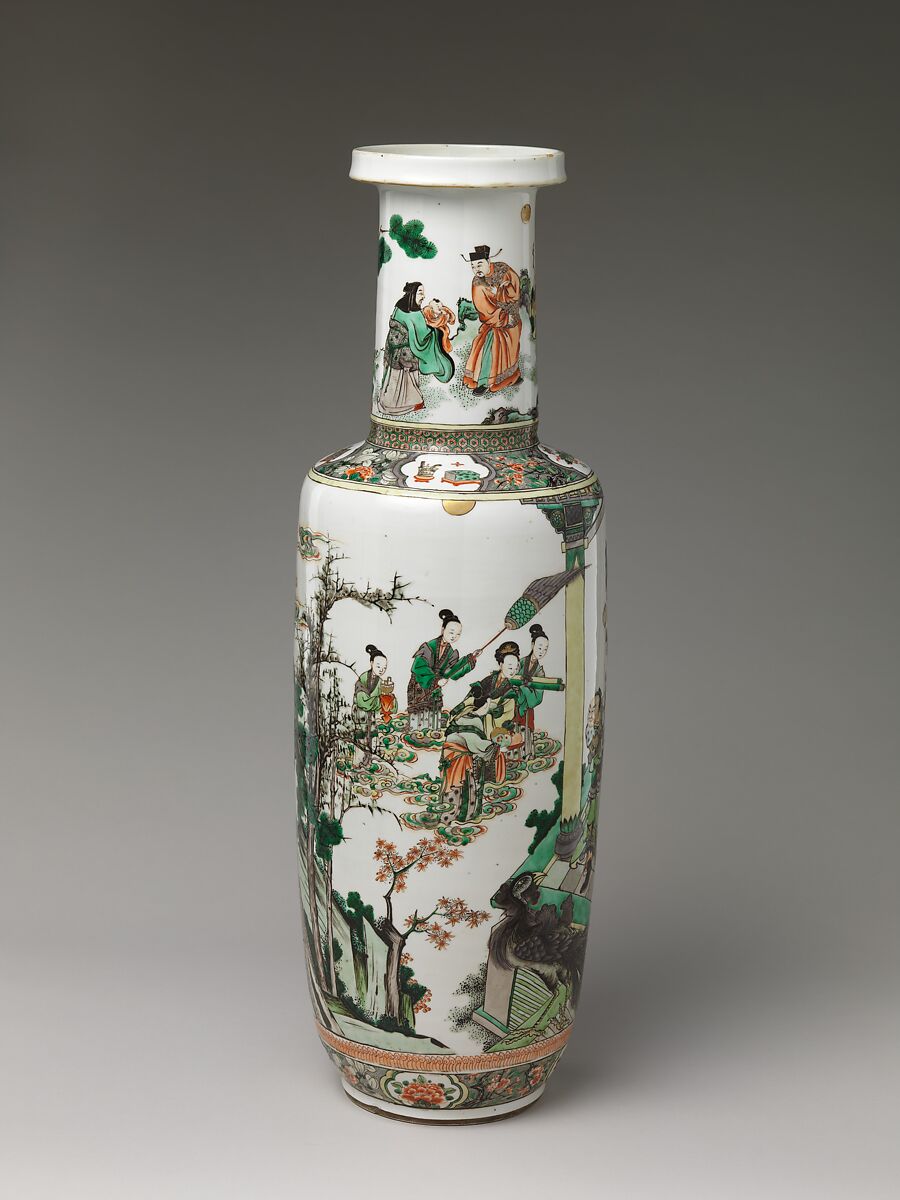
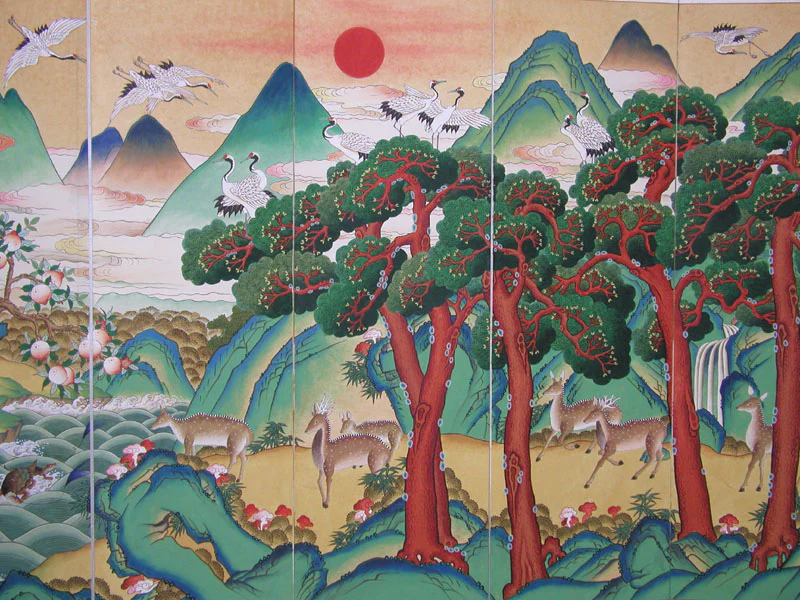
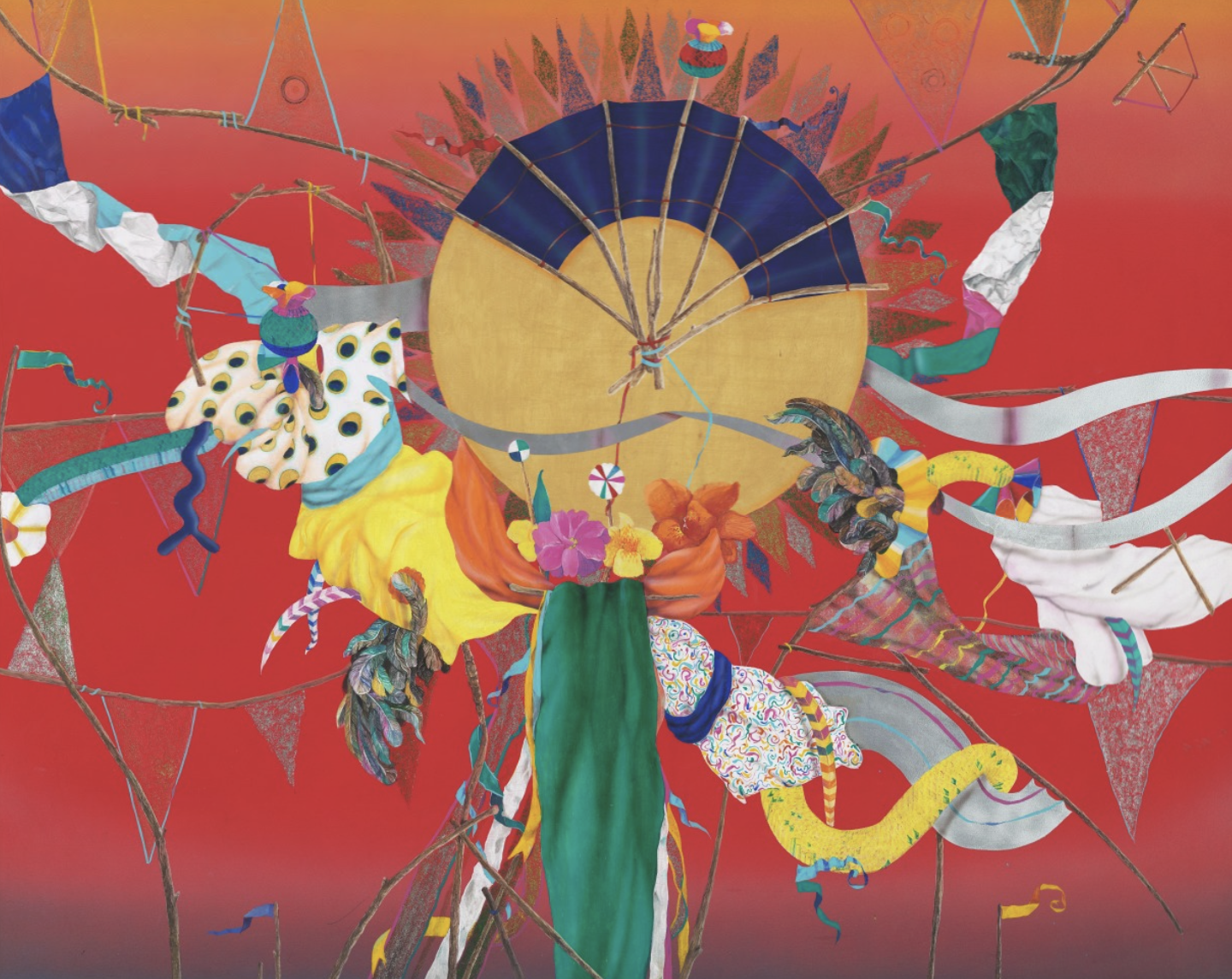
The Eastern works shared here all share a subtle implication that a long life and a happy one are the same thing. But what struck me most is how rarely wellbeing appears as a clinical matter, particularly in these pieces. Longevity is treated not as an achievement acquired through medicine, but as a divine blessing. It is woven into the natural world, marked by symbols that surface again and again across countries and centuries (birds, peaches, trees). Happiness, meanwhile, is never really apparent in the individual alone. It reveals itself through harmony with nature, family, and memory. Longevity and happiness are rarely pulled apart; a long life and a joyful one are depicted as the same pursuit.
_%20Okimono%20Perforated%20as%20a%20Netsuke_%20Woman%20Passing%20Fungus%20of%20Immortality%20to%20Two%20Boys%2C%20Across%20a%20Deer_%20Japan%2C%201870%E2%80%931900_%20Ivory_.png)


_%20Korea%2C%201879-1880_%20Ink%20on%20silk_.webp)

Western Art
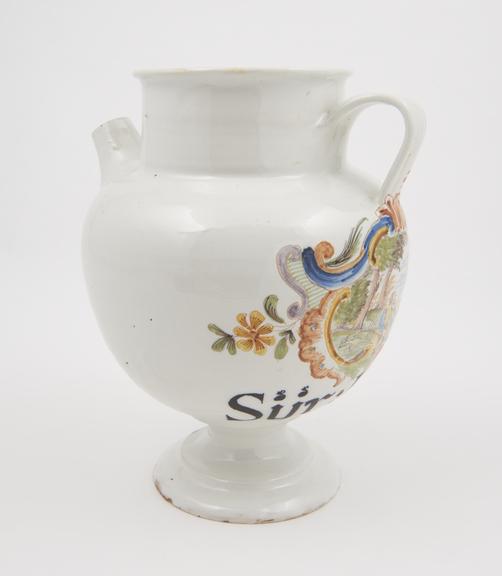
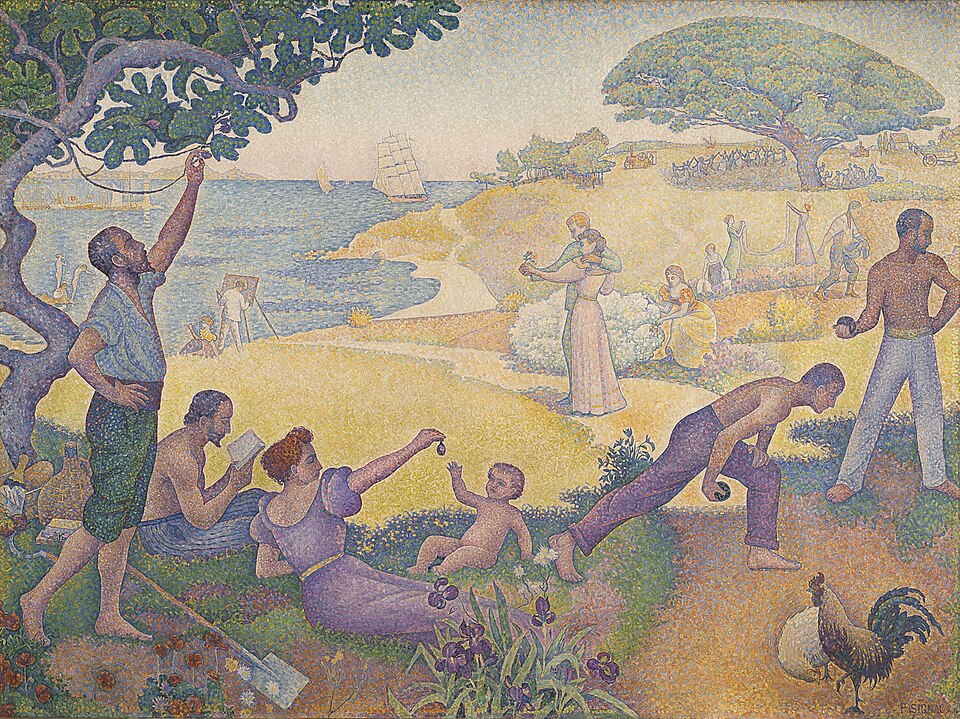
The Western works in this collection seem to pull happiness and longevity in opposite directions. Joy is often shown in social settings and embodied by people dancing, gathering, embracing, and lounging. At times, there are clear undertones of sensuality and eroticism in these scenes, and alcohol recurs throughout as a marker of celebration and pleasure; almost a kind of fixture of the good life. Longevity, by contrast, is framed less as a blessing than as a pursuit. It is something that is, in a way, perpetually reached for but never quite reached; it is chased through serums and medicines. The Western works separate the two concepts: happiness is something you seize in the present moment, while a long life almost remains a goal on the horizon, always being pursued and never really secured.


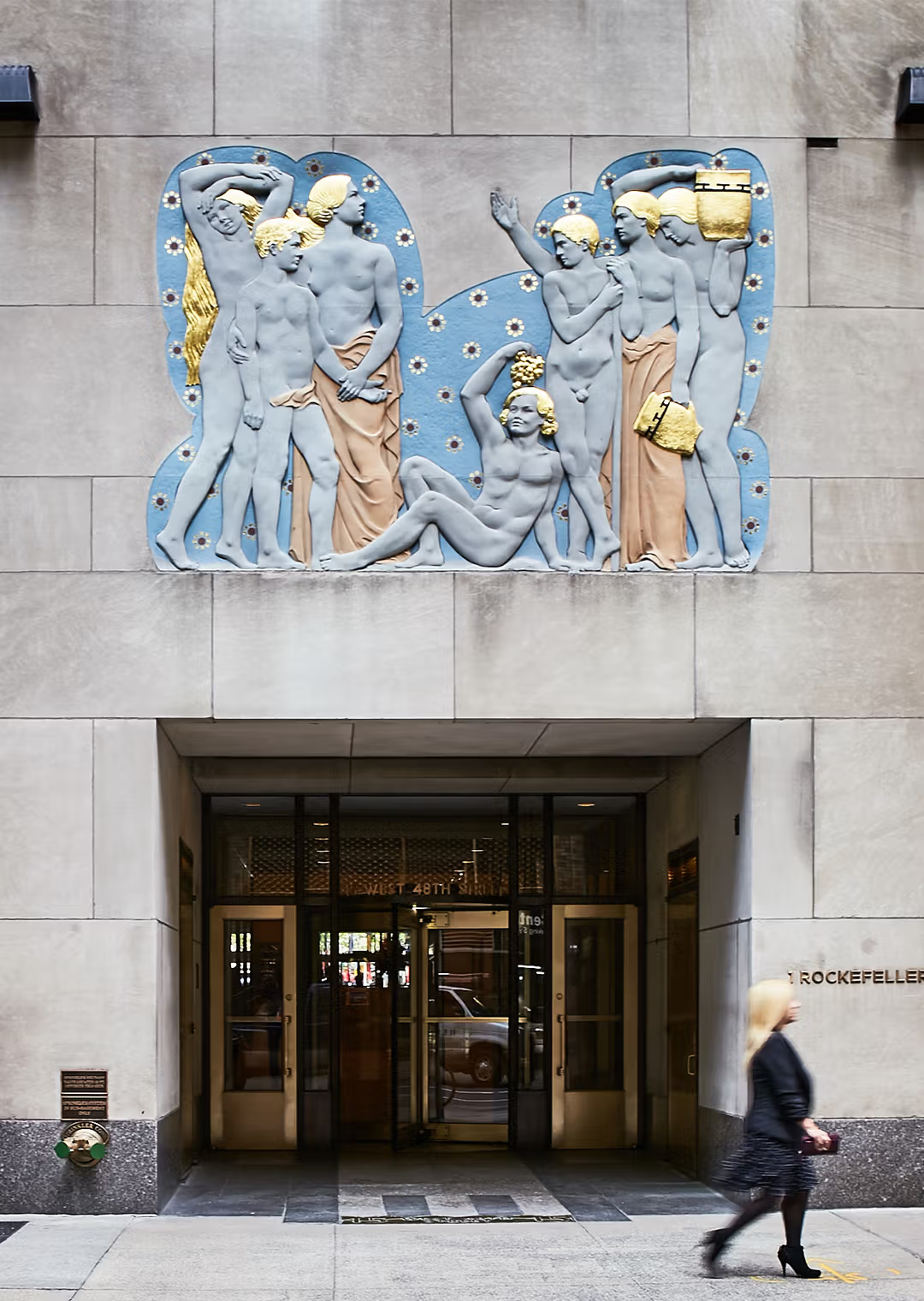
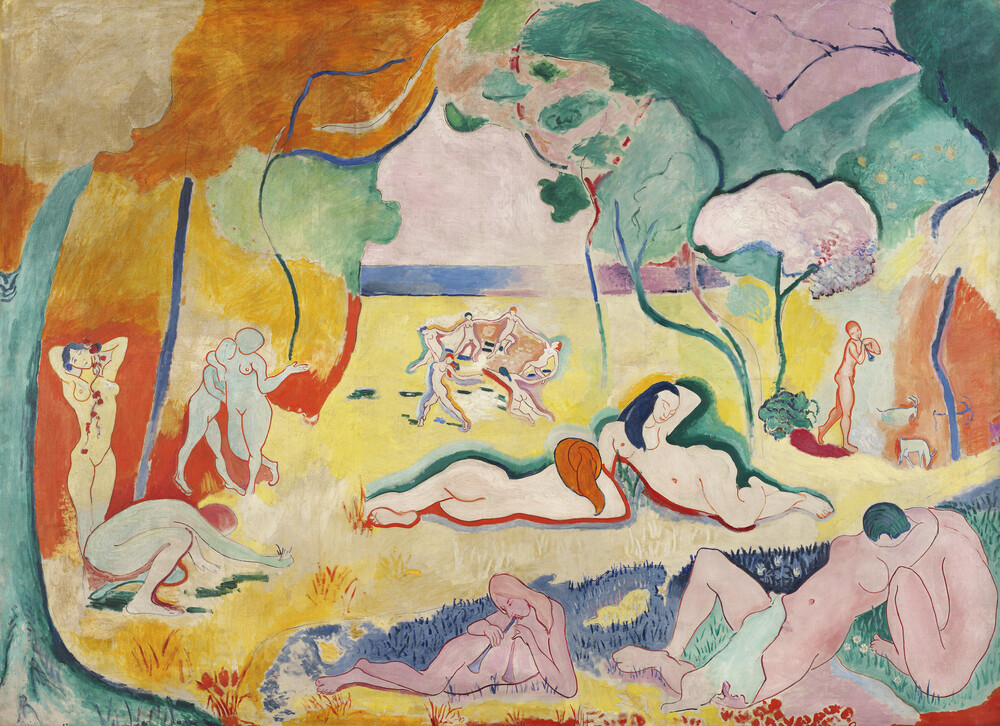
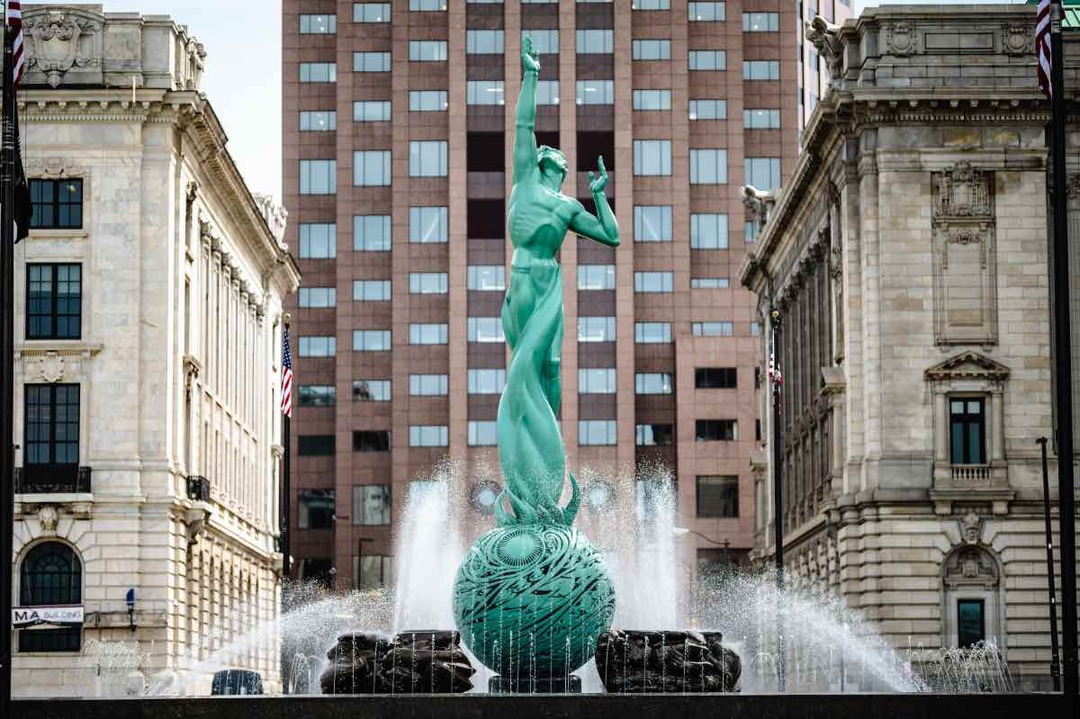
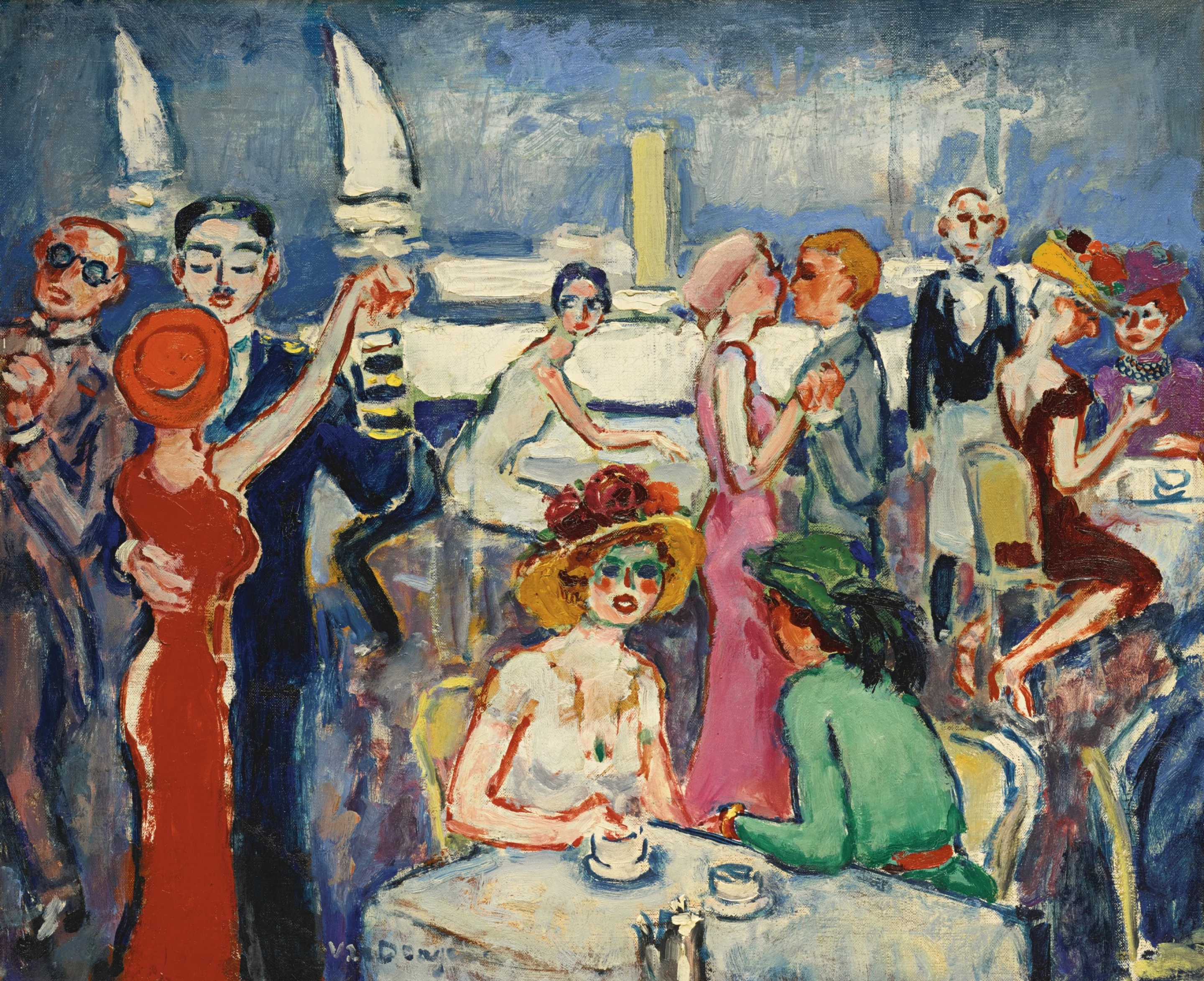
*One quick reflection on the curation process: I was really disappointed by the limited diversity among the artists represented in the Western section. Because this exhibition explores such a specific and niche theme, works were already limited; the period of time that I was drawing from also, unfortunately, favored almost exclusively white, male artists, and I found it difficult to source pieces by women or artists of other backgrounds and races in this particular subject. This is not to diminish the contributions of the white male artists featured here, whose work rightly deserves its place; rather, it is to say that recognition should extend beyond them. I mention this to make clear that those left out of my curation were not omitted for any kind of shortage of talent.